Book Flower: Quirky Charm, Real-World Stitching
First Impressions: A Smile in Thread Form
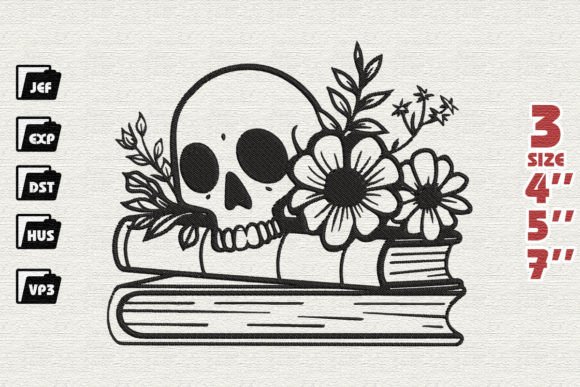
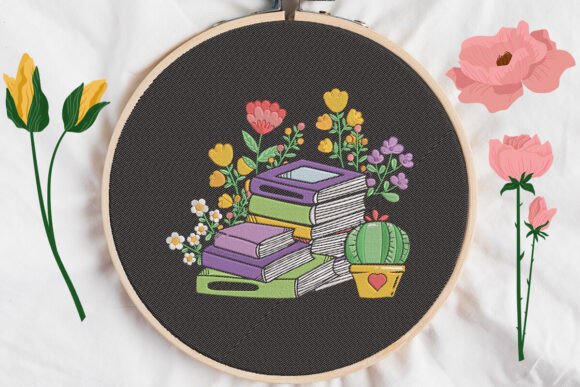
When I opened Book Flower for the first time, I didn’t see just another school-themed embroidery file—I saw a quiet wink of personality. It’s not overly literal or cutesy; instead, it balances botanical softness with literary playfulness. The shape feels intentional—not too wide, not too tall—with gentle curves and open negative space that suggests breathing room on fabric. That matters. Too many “book” designs drown in dense fill stitch or overworked details; Book Flower avoids that trap. Its visual personality leans toward thoughtful whimsy—ideal for makers who want charm without clutter, especially in the School category where themes can easily slip into cliché.
A Tote Bag Test: Where Personality Meets Practicality
Last week, I stitched Book Flower onto a natural canvas tote for a local indie bookstore’s staff gift set. Not as a logo, but as a subtle accent near the bottom corner—small enough to feel handmade, distinct enough to spark conversation. On that medium-weight, slightly textured fabric, the design held its shape beautifully. The satin stitch petals had clean edges, the stem used smooth running stitch (no skipped stitches), and the center detail—just a few strategic fill stitches—read clearly without looking heavy. Customers noticed it. Not because it shouted, but because it felt *considered*. That’s the quiet strength of this machine embroidery design: it elevates a simple tote from “generic promo item” to “something you’d keep.”
Where It Shines—and Where It Asks for Attention
Book Flower works exceptionally well for:
- Custom apparel: Sweatshirts, crewneck tees, and lightweight jackets—especially when placed off-center or on sleeves for understated flair.
- Baby embroidery: Think onesies, burp cloths, or crib bumper accents. Its gentle scale and organic lines avoid overwhelming tiny garments.
- Home + kitchen textiles: Tea towels, pillow covers, and aprons benefit from its light-hearted yet refined presence.
- Holiday embroidery and wedding gifts: Pair it with neutral thread on ivory linen for a literary bridal shower gift—or go bold on a holiday sweatshirt for a teacher’s gift basket.
- Etsy seller assets: It layers cleanly into printable mockups and pairs effortlessly with minimalist branding. As a digital embroidery file, it reads well even at thumbnail size—critical for shop listings.
But let’s be real: no design is universal. Use Book Flower carefully on:
- Stretchy fabric (like knits or ribbed cuffs)—it needs proper cutaway stabilizer to prevent distortion.
- Thin or sheer fabrics (chiffon, voile): back it well, or consider using it as an applique design instead of direct-embroider.
- Curved surfaces like caps or hats: test hoop placement first—the design’s gentle asymmetry means centering matters more than with symmetrical motifs.
- Dark fabric: contrast is your friend here. Light ecru or pale sage thread lifts the floral elements without washing them out.
- Frequent-wash items (baby bibs, kitchen towels): confirm stitch density isn’t overly aggressive—dense fills can stiffen fabric over time. A quick check of the fill stitch coverage helps avoid that.
What It Adds Beyond Thread Count
This isn’t just about whether the design stitches cleanly—it’s about what it communicates. Book Flower quietly reinforces professionalism in handmade product presentation. When stitched on a boutique-branded tea towel, it signals care—not just in execution, but in curation. For an Etsy seller, that translates to higher perceived value and stronger buyer engagement. Customers don’t buy “a flower on a book”—they buy the feeling of warmth, intelligence, and intention behind it. That emotional resonance is why it works so well for personalized gifts and small shop merchandise: it feels special without trying too hard.
Designer Notes You’ll Actually Use
Before stitching Book Flower into your next finished product, do these five things:
- Test on scrap fabric—especially if you’re using it on a new substrate (e.g., terry cloth towels or brushed poly). Note how the stem holds up under tension.
- Check thread color contrast in natural light. Some pale pastels vanish on oatmeal canvas unless you boost saturation by one shade.
- Review stitch density visually in your embroidery software—if fill areas look muddy or overly compact, adjust underlay or reduce density slightly.
- Confirm hoop size compatibility. While it’s likely optimized for standard hoops, always verify before hooping expensive fabric.
- Inspect small details at 200% zoom: are petal tips sharp? Does the center motif read at 1.5” height? If not, it may need minor digitizing tweaks for your specific use case.
Also—don’t skip the black-and-white mockup test. It reveals clarity issues no color preview catches. And if you’re selling physical embroidered patches or custom apparel commercially, double-check licensing terms. This Embroidery file is positioned for creative use, but commercial embroidery rights aren’t implied unless explicitly stated.
Final Thought: Not Just for School, But for Storytelling
I keep coming back to how Book Flower avoids being pigeonholed—even though it lives in the School category, it transcends it. It’s equally at home on a librarian’s apron, a writer’s notebook cover, or a child’s nursery wall hanging. That versatility is rare. It doesn’t scream “back to school”—it whispers “I love stories, and I love beauty.” For craft business owners, that nuance is gold. It lets you serve multiple audiences without diluting your brand. Whether you're prepping for a craft fair, building an Etsy collection, or designing boutique merchandise, Book Flower isn’t just another embroidery file. It’s a quiet, confident design asset—one that earns its place in real projects, real hands, and real moments.