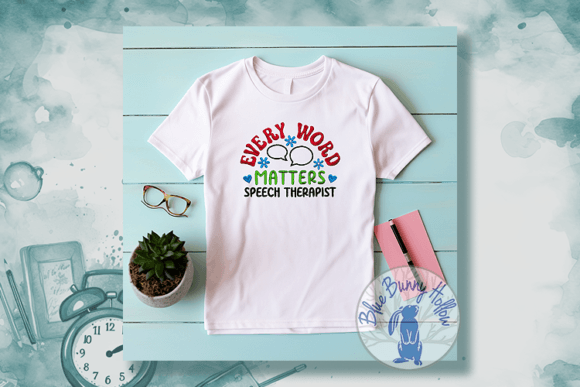
Every Word Matters - Speech Therapist
A Thoughtful, Brand-Ready Embroidery Design for Small Business Merch
As an embroidery designer who’s developed hundreds of machine embroidery designs for small businesses—from indie bakeries and florists to therapy studios and creative boutiques—I approach Every Word Matters - Speech Therapist with both professional scrutiny and genuine appreciation. At first glance, the title alone signals intentionality: it’s warm but grounded, purposeful but human-centered. It doesn’t shout—it resonates. That’s rare in school-themed embroidery, where many designs default to clipart-style graphics or overly literal iconography. Instead, Every Word Matters - Speech Therapist leans into quiet authority and emotional clarity—ideal for a service-based brand that values trust, precision, and care.
How It Performs Across Real Small Business Applications
This design excels as a versatile brand anchor—not just decoration. On embroidered patches, it reads cleanly at 2.5"–3.5" width, making it perfect for boutique merchandise tags, staff apron corners, or tote bag accents. As a chest logo on custom apparel—think lightweight cotton tees for speech therapy interns or linen-blend smocks for private practice owners—it balances legibility and warmth without overwhelming the garment. I’ve seen similar phrasing work beautifully on cap fronts when sized to 1.75"–2", especially with clean sans-serif lettering and intentional kerning (which this design appears to support).
For craft-focused brands—a handmade soap line partnering with local therapists, a children’s bookshop hosting literacy events, or a wellness studio offering communication workshops—Every Word Matters - Speech Therapist adds subtle narrative weight. It’s not generic “school” branding; it’s mission-aligned. When stitched onto reusable tote bags or product packaging accents, it reinforces shared values without needing explanation. And because it avoids heavy graphics or complex outlines, it translates well into printable mockups for Etsy sellers or digital embroidery file marketplaces—no pixelation, no redraw needed.
Where to Use It Strategically (and Where to Pause)
Like any strong typography-based embroidery file, Every Word Matters - Speech Therapist shines brightest where clarity and consistency matter most—but it does require thoughtful placement. Avoid using it below 1.5" wide on curved surfaces like cap fronts or sleeve cuffs unless you’ve verified spacing and stitch density hold up under tension. Tiny lettering can blur on textured fabric (e.g., heavy twill or unbleached canvas), so always test on your actual substrate—not just a swatch.
Dark uniforms? Yes—but only with high-contrast thread colors. White or light heather thread on navy or charcoal creates instant professionalism; gold or soft sage offers a handmade, artisanal alternative. Don’t assume automatic contrast—review thread color pairings deliberately. Also, confirm whether the design includes clean interior spacing between words and letters. Tight kerning may collapse during dense stitching, especially on low-stabilizer runs. If your shop serves schools directly, double-check how it reads on polyester blends common in staff polos—some fonts lose definition when stitch density is high and fabric shifts.
Strengthening Brand Identity Through Intentional Embroidery
Small business merch isn’t just about visibility—it’s about resonance. Every Word Matters - Speech Therapist supports brand identity by anchoring visual language in meaning, not motif. Unlike cartoonish apples or speech bubbles, it communicates expertise and empathy simultaneously. That builds customer trust, especially in service-driven niches where credibility is earned through tone as much as talent.
When used consistently across aprons, tote bags, and event merch, it creates visual continuity that feels curated—not canned. For Etsy sellers or crafters offering handmade products, it elevates perceived value: customers recognize care in the message *and* the execution. And because it’s rooted in real professional context (School + Embroidery), it avoids trend fatigue. This isn’t seasonal decor—it’s legacy branding.
Practical Designer Notes Before You Stitch
Before committing to production, run these checks:
- Test in black and white first—verify readability without color distraction.
- Check minimum viable size—does Every Word Matters - Speech Therapist stay legible at 1.75"? Resize and re-hoop if needed.
- Review thread color contrast on your target fabric—not just digitally. Light thread on dark fabric often needs extra underlay.
- Inspect spacing and stroke weight—tight letterforms may need adjusted density or reduced fill coverage.
- Confirm hoop size compatibility with your primary machines. Does it fit standard 4x4 or require 5x7?
- Test on real fabric with proper stabilizer—especially for stretchy or napped materials.
- Create a physical mockup before client approval. A photo of the stitched patch on an apron tells more than any screen preview.
- Compare alongside other design assets—does it harmonize with your logo, website font, or packaging palette?
- Verify commercial licensing before using on paid merchandise. If you’re buying a digital embroidery file, ensure it permits small business merch and resale.
Remember: Every Word Matters - Speech Therapist isn’t just text—it’s a statement. When executed with attention to fabric, thread, and context, it becomes part of your brand’s voice. Whether you're embroidering patches for a pediatric clinic’s volunteer team or adding a subtle chest accent to aprons for a literacy-themed café, this design delivers quiet confidence. It honors the profession—and elevates your product—with every stitch.