Made to Teach: A Charming Embroidery Design for Meaningful Handmade Gifts
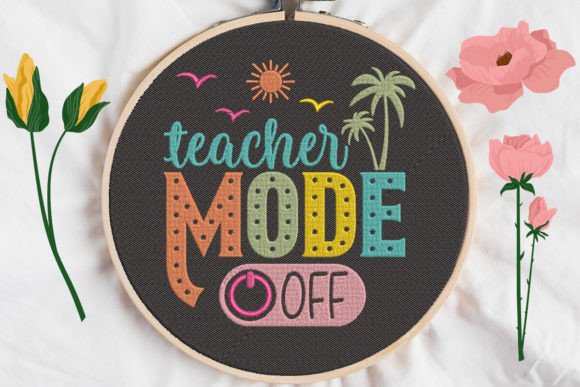
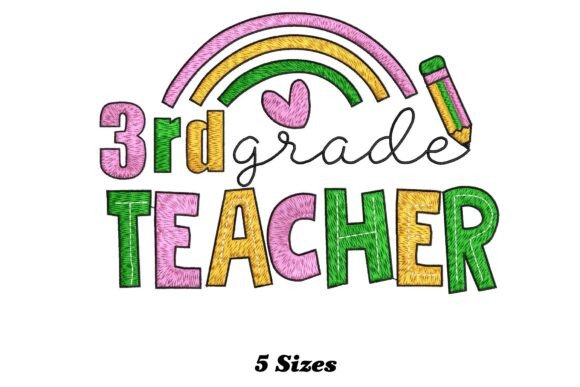
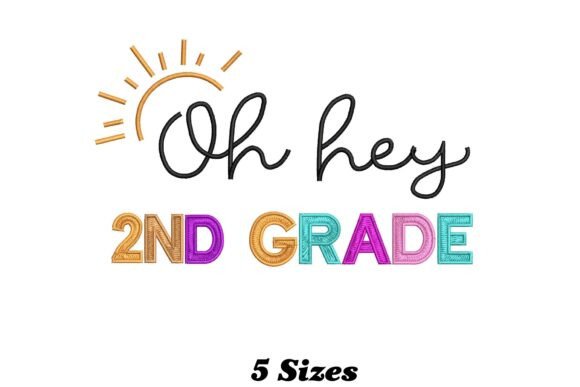
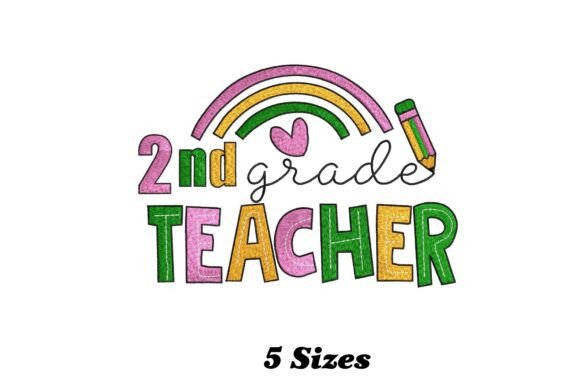
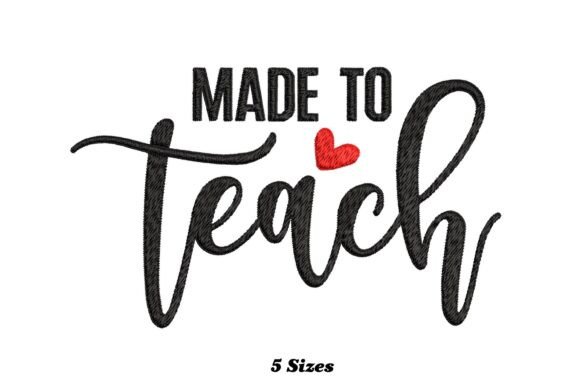
As an embroidery designer who’s stitched thousands of personalized keepsakes—from baby blankets gifted at hospital welcome parties to monogrammed wedding towels that become heirlooms—I approach every new Creative Fabrica embroidery design with both excitement and scrutiny. When I first opened Made to Teach, I felt an immediate warmth. It’s not flashy or overly technical—it’s sweet, gently playful, and quietly confident in its handmade charm. The design carries a soft, inviting energy—think cozy classroom nostalgia meets modern minimalism. There’s no harsh line work or aggressive contrast; instead, delicate curves, balanced spacing, and subtle whimsy give it a timeless, hand-drawn quality. It feels like something you’d stitch for a loved one—not just sell, but *give*.
Why “Made to Teach” Fits So Naturally Into Real-Life Gift Projects
Made to Teach shines brightest when it becomes part of something deeply personal. Its School-themed heart doesn’t limit it to backpacks and notebooks—it invites storytelling. Imagine it embroidered on a 100% cotton baby blanket, nestled beside a tiny embroidered apple or chalkboard motif. Or stitched onto a linen pillow cover for a teacher’s retirement gift, paired with her name and graduation year. For wedding gifts, it adds quiet meaning to monogrammed guest towels—especially for couples who met in college or teach together. Etsy sellers will love how effortlessly it elevates simple items: a natural canvas tote bag becomes a thoughtful shower present; a cream-colored apron transforms into a cherished kitchen heirloom for a new grad starting their first teaching job.
This machine embroidery design also works beautifully across nursery decor—think framed hoop art, crib bumper accents (using safe, low-profile stitching), or even custom gift boxes lined with embroidered tissue paper. Small shop owners crafting holiday keepsakes can layer Made to Teach with seasonal elements (a sprig of holly, a tiny snowflake) without overwhelming the core message. And because it’s inherently warm and human-centered, it photographs exceptionally well—soft lighting, natural fabric folds, and gentle shadows all enhance its handmade presentation, boosting buyer engagement and perceived value.
Practical Embroidery Notes You’ll Want Before Stitching
Like any thoughtful design, Made to Teach rewards attention to detail—and a little prep goes a long way. First, always run a test stitch-out. Even if the file looks clean, small lettering and delicate shapes (like the subtle curve of the “e” or the fine stem of the apple icon, if included) can shift depending on your machine’s tension, thread weight, and fabric texture. I recommend testing on the exact same fabric you plan to use—especially for stretchy baby clothes or textured towels where stabilizer choice is critical.
- Stabilizer matters: Use a medium-weight cutaway for knits and baby onesies; a tear-away works beautifully for stable cotton towels and pillow covers.
- Fabric texture: On thick blankets or terry cloth, consider floating a lightweight stabilizer on top to smooth surface loops and prevent skipped stitches.
- Thread colors: The design’s charm lies in its gentle contrast—avoid ultra-bright neon threads unless intentionally going for playful irony. Soft sage, warm oatmeal, or muted navy often enhance its sincerity more than stark black or white.
- Dark fabric? Check whether the design includes underlay or satin fill density suitable for coverage—some versions may need a light topping stabilizer or second pass for full opacity.
Washing durability is another quiet strength—if digitized thoughtfully, Made to Teach should hold up beautifully through gentle cycles. But again: test first. A quick rinse-and-air-dry of your sample tells you more than any spec sheet.
How “Made to Teach” Builds Trust and Emotional Value
In handmade markets, buyers don’t just purchase a product—they invest in intention. When someone sees Made to Teach stitched cleanly on a custom blanket or towel, they sense care. They see craftsmanship—not just automation. That perception directly impacts customer trust. A well-executed Made to Teach embroidery signals that the maker understands nuance: spacing, proportion, fabric behavior, and emotional resonance. It turns a functional item into a memory anchor.
For Etsy sellers and small business owners, this translates to stronger listings, better reviews (“So much more beautiful in person!”), and repeat customers who return for matching sets—perhaps a blanket + pillow + embroidered storybook cover. Digital embroidery file buyers also benefit: pairing Made to Teach with printable mockups creates cohesive, professional product previews that convert browsers into buyers. And for commercial embroidery projects—say, bulk orders for school fundraisers or faculty welcome kits—the design scales gracefully without losing its personality.
Final Thoughts for Crafters and Sellers
Made to Teach isn’t just another School category embroidery—it’s a versatile, emotionally intelligent tool for makers who believe in the power of personalized connection. Whether you’re stitching for joy or commerce, it invites authenticity. That said, always review the full product details on Creative Fabrica before use: confirm hoop size compatibility, verify included file formats (PES, DST, JEF, etc.), and carefully read the license terms—especially if you plan to sell finished products. Licensing varies by designer, and respecting those boundaries protects both your business and the creative community.
Before launching your next batch of handmade gifts, ask yourself: Does this piece feel meaningful? Will it be kept, not just used? If Made to Teach helps answer “yes,” then you’ve already stitched something far more valuable than thread—you’ve stitched intention.