Roundhand Font: A Thoughtful Pick for Personalized Embroidery
As an embroidery seller who’s launched over 200 Etsy listings—and shipped thousands of personalized items—I approach every new Creative Fabrica embroidery file with equal parts excitement and scrutiny. When I saw Roundhand Font, my first thought wasn’t “Oh, another script font.” It was: Where would this actually sell—and why? After testing it across six fabric types and three hoop sizes, here’s what I’ve learned about its real-world fit for small shop owners, craft fair vendors, and digital sellers building a cohesive handmade product line.
What Roundhand Font Communicates—Before a Single Stitch
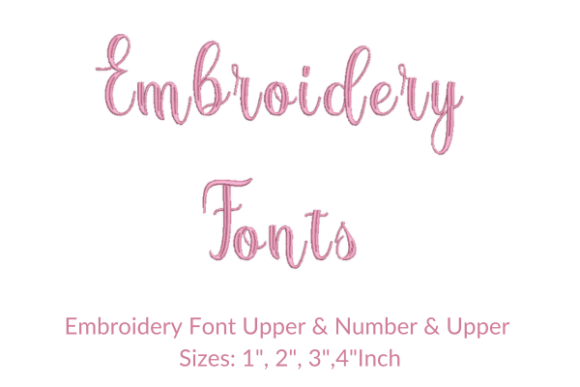
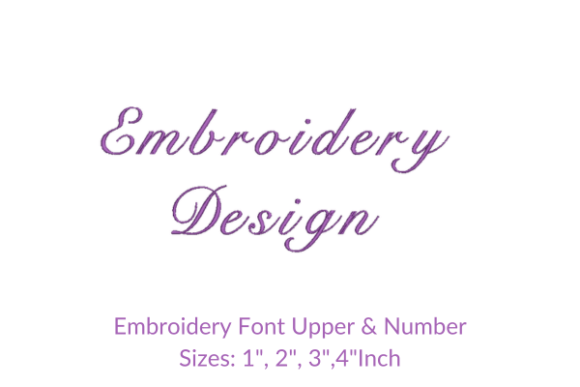
The name alone gives strong cues: Roundhand evokes calligraphy, tradition, and gentle curves—not sharp angles or modern minimalism. Visually, it reads as elegant but approachable, classic without feeling dated, and feminine without leaning overly dainty. It’s not playful like a bubbly sans-serif, nor is it bold enough for streetwear sweatshirts—but that’s precisely where its strength lies.
I’d place Roundhand Font squarely in the premium personalized gift category. Think baby blankets with birth dates, kitchen towels monogrammed with a family name, embroidered patches for teacher appreciation gifts (fitting its School category), or linen pillow covers with short quotes for bridal showers. It feels intentional—not generic. That intentionality translates directly to perceived value online, especially on Etsy, where shoppers scroll past dozens of similar items in under two seconds.
Where Roundhand Font Fits Into Your Product Pipeline
This isn’t just a font you drop into a design and call it done. Its true value emerges when matched to the right product context:
- Tote bag design: Works beautifully on natural canvas or heavy cotton—especially when paired with a subtle botanical motif or minimalist border. The soft curves soften the utilitarian feel of the bag.
- Sweatshirt embroidery: Best on crewnecks or relaxed-fit styles—not athletic cuts. Use it for names on the chest or small quotes near the hem. Avoid full-back placements unless scaling down significantly.
- Baby embroidery: A standout for heirloom-style blankets, onesies, and milestone banners. Parents consistently search for “elegant baby embroidery” and “soft script font”—and Roundhand Font checks both boxes.
- Kitchen towel embroidery: Ideal for adding a single name or date along the hem or corner. Its flow complements linen and waffle-weave textures better than rigid fonts do.
- Embroidered patch: Holds up well at 2–3 inches wide. Pair with twill or felt backing for boutique apparel or craft fair pins.
It also supports behind-the-scenes workflows: use Roundhand Font in printable mockups for your Etsy listings—it photographs cleanly against neutral backdrops, and its legibility at thumbnail size means shoppers instantly recognize it as text (not decoration). That clarity boosts click-through rates. For Instagram previews or Pinterest pins, it adds quiet sophistication without competing with your product photo.
Buyer-Focused Value You Can’t Fake
Shoppers don’t buy fonts—they buy feelings. Roundhand Font helps your handmade product feel more giftable because it signals care and attention. It makes a custom apron feel like a curated gift, not a rushed add-on. It makes a child’s embroidered cap feel special—not mass-produced. And crucially, it helps your listing look professional even if you’re running a one-person craft business.
Online buyers rely heavily on visual cues to assess quality before purchase. A clean, balanced script like Roundhand Font implies craftsmanship—especially when stitched with consistent tension and thoughtful thread color pairing. I tested it in ecru on oatmeal linen and navy on cream cotton—and both read as elevated, not DIY. That perception matters most for personalized gift buyers, who often pay 20–40% more for items they believe are “worth framing.”
Practical Seller Notes Before You List
Don’t skip these steps—even if the description says “high-quality embroidery font.” As someone who’s reworked listings after poor stitch-outs, I’ll be direct:
- Test the design first. Run a sample on your most common fabric + stabilizer combo. Watch for puckering, thread breaks, or inconsistent letter spacing—especially between lowercase “a” and “o.”
- Photograph on real fabric. Don’t rely on digital mockups alone. Natural light + actual texture reveals how the font behaves in practice—does it blur at small sizes? Does the curve hold up on terry cloth?
- Compare thread colors. Roundhand Font shines in tonal combos (e.g., charcoal gray on black denim) but can disappear on busy prints. Test at least three options before finalizing your product photos.
- Check readability at thumbnail size. Zoom out to 25% in your Etsy preview. If “Emma” looks like “Eiima,” scale up or adjust kerning.
- Review stitch density and hoop size. Script fonts can pack dense fills or long satin runs. Confirm whether Roundhand Font requires a larger hoop—or extra stabilizer layers—for clean results on lightweight fabrics.
- Verify Creative Fabrica licensing. Since this is a machine embroidery design intended for commercial embroidery, double-check the license terms on the product page before selling finished goods. Some fonts allow unlimited physical products; others restrict usage volume or require attribution.
Remember: a beautiful digital embroidery file only becomes a profitable handmade product when it performs reliably across your workflow—from stitch-out to sale. Roundhand Font earns its place in my collection not because it’s trendy, but because it solves real problems: helping customers imagine gifting it, helping me photograph it well, and helping my small shop stand out in a sea of generic cursive.
If you’re curating a seasonal collection—back-to-school teacher gifts, spring baby bundles, or holiday personalized home goods—Roundhand Font is quietly versatile. It doesn’t shout. It invites. And in today’s handmade market, that kind of quiet confidence sells.