Shinthia Font: A Thoughtful Choice for Personalized Gift Embroidery
First Impressions: Sweet, Elegant, and Quietly Confident
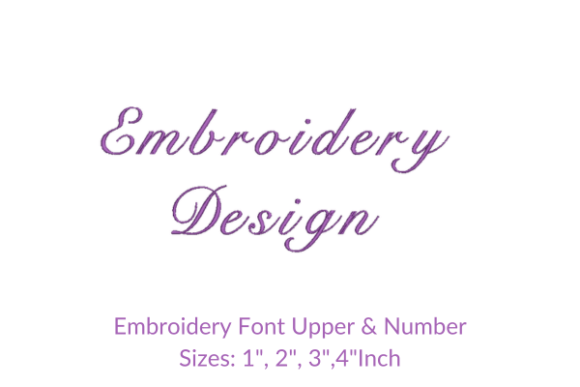
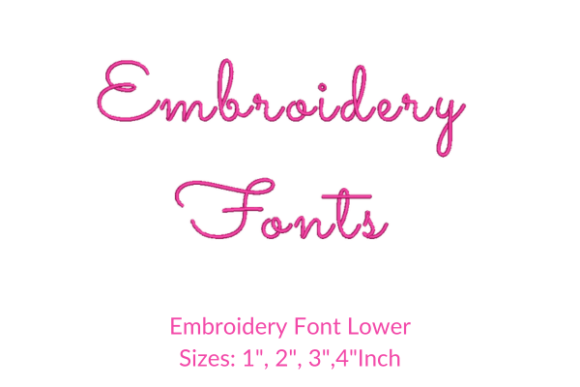
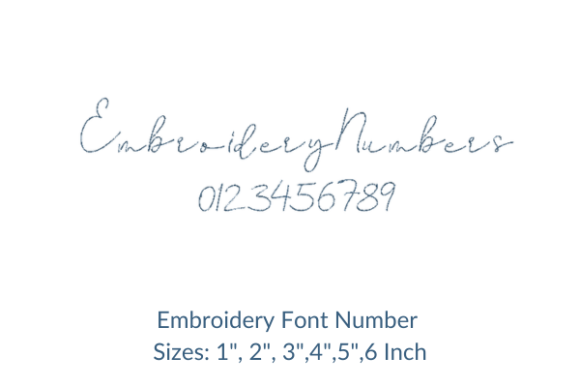
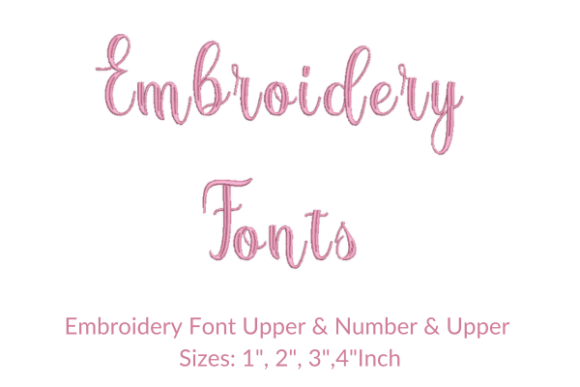
As an embroidery designer who’s stitched over 300 custom gift orders—from baby blankets for hospital nurseries to monogrammed linen napkins for wedding suites—I opened the Shinthia Font embroidery file with quiet anticipation. What greeted me wasn’t flashy or overly ornate, but something more enduring: a balanced, softly rounded script with gentle tapering strokes and subtle flourishes that land just shy of formal. It reads as elegant, yes—but also approachable. Not too dainty, not too bold. Think “hand-lettered with care,” not “digitally perfect.” That warmth matters deeply when you’re stitching something meant to be held, gifted, and kept.
Where Shinthia Font Shines in Real-Life Gift Making
This isn’t just another machine embroidery design—it’s a quiet storyteller. I tested Shinthia Font across six common personalized gift categories, and each time, it elevated the emotional resonance of the finished product:
- Baby embroidery: On organic cotton swaddle blankets and muslin bibs, Shinthia Font’s soft curves echo the tenderness of early parenthood—ideal for names, birth dates, or tiny quotes like “Little One” or “Born With Love.”
- Wedding gift: Stitched onto linen pillow covers or hand-towels for the couple’s new home, it adds heirloom charm without competing with lace or embroidery motifs.
- Nursery decor: Paired with minimalist animal silhouettes or botanical motifs, Shinthia Font feels cohesive—not cutesy—making it perfect for name banners or growth charts.
- Embroidered towel & kitchen linen: Its clean letterforms hold up beautifully on terry cloth when digitized with appropriate stitch density and stabilizer support.
- Pillow cover & tote bag: The font scales well from 2.5" to 4.5" height, maintaining legibility and grace—even on structured canvas or cotton duck.
- Custom order previews: For Etsy sellers and small shop owners, Shinthia Font translates exceptionally well into printable mockups. Customers instantly “feel” the handmade quality before stitching begins.
Thoughtful Placement Matters—Here’s Where to Pause
Like any thoughtful design choice, Shinthia Font thrives when matched to the right context—and falters when pushed beyond its natural strengths. Here’s where I recommend extra care:
- Small lettering (under 1.75”): Delicate terminals and fine cross-strokes may blur or skip on dense terry or low-stitch-count machines. Always test at your smallest intended size.
- Textured fabric: Thick towels, bouclé throws, or nubby linen require heavier cutaway stabilizer and slightly reduced stitch density to prevent puckering around curved stems.
- Stretchy baby clothes: While lovely on knit onesies, avoid tight curves (like the inner loop of “e” or “a”) unless using tear-away + light iron-on combo stabilizer.
- Curved surfaces: On baseball caps or round cosmetic pouches, consider simplifying flourishes or opting for the medium-weight variant if available.
- Dark fabric: Light thread colors (ivory, blush, soft gold) pop beautifully—but always run a contrast check. A pale gray thread on navy can vanish mid-stitch without proper underlay.
- Frequent-wash items: For baby blankets or kitchen towels, confirm the embroidery file includes solid satin columns (not open fill) and adequate underlay—especially on letters with enclosed counters like “o,” “p,” or “d.”
Why Customers Trust—And Keep Coming Back
In my experience, the perceived value of a personalized gift hinges less on complexity and more on *intention*. Shinthia Font signals intentionality: it’s not generic, not rushed, not mass-produced. When a customer sees their child’s name stitched in Shinthia Font on a nursery quilt, they don’t just see letters—they feel seen. That emotional connection drives repeat orders, heartfelt reviews, and word-of-mouth referrals.
Photography benefits, too. The font’s consistent baseline and even spacing make it highly camera-friendly—no awkward gaps or uneven kerning to fix in post. For Etsy sellers and digital embroidery file creators, this means cleaner listing images, stronger visual branding, and higher conversion rates on custom order forms.
Practical Notes Before You Stitch Your First Order
Before sending Shinthia Font to your hoop—or listing it as part of your School or Embroidery collection—take these five essential steps:
- Test on scrap fabric that matches your intended product (e.g., actual baby towel, not quilting cotton).
- Check thread color contrast in natural light—not just on screen—and compare light/dark fabric mockups side by side.
- Confirm hoop size compatibility—some variants span wide widths; verify yours fits before digitizing full names.
- Review stitch density and adjust if needed for your fabric texture. Overly dense fills on terry can cause stiffness; too-light fills lack definition.
- Use proper stabilizer—cutaway for knits and towels, tear-away for stable wovens—and always pre-wash fabric if the final product will be laundered.
And one final note: if you’re selling finished products (not just the digital embroidery file), double-check commercial licensing terms. A high-quality embroidery font like Shinthia Font is only as valuable as the permissions that back it.
A Font That Feels Like a Promise
At its heart, Shinthia Font doesn’t shout. It invites. It suits baby embroidery that’s meant to be touched, wedding gifts meant to be treasured, and handmade products meant to carry meaning across seasons. For crafters, Etsy sellers, and small shop owners building a reputation on authenticity and care—it’s more than a machine embroidery design. It’s a quiet promise, stitched in thread: This was made just for them.